Business Waste Removal in Chiswick

Business waste removal in Chiswick should be straightforward, organised and suitable for the way your workplace actually operates. We provide commercial waste collection and clearance for offices, shops, hospitality premises, studios and mixed-use sites that need a practical way to clear unwanted items, packaging, fixtures or general rubbish. The focus is on keeping the process tidy and manageable, with work planned around the volume and type of waste you need removed.
Our service covers a wide range of business waste, from routine clear-outs to the removal of bulkier items that can disrupt day-to-day operations. That may include office furniture, shelving, broken equipment, archive material, redundant fittings and other non-hazardous items that have reached the end of use. Where specialist handling is required, the right route depends on the material, so the job is assessed before anything is moved.
For a straightforward start, you can send a concise description of the waste and we can help shape the next steps. If the job is larger or more mixed, it is useful to note access, floor level, loading arrangements and whether any items need separating before removal. Clear information at the beginning helps make the collection more efficient and keeps the quotation process focused on the actual work involved.
Commercial waste clearance for everyday business needs
Business waste removal is often needed for routine clearances rather than dramatic one-off events. A workroom may have outdated desks, storage units or packaging that has built up over months, while a retail space may need old display items, damaged stock or redundant back-room contents taken away. Our approach is designed to remove these items without creating extra disruption in the surrounding workspace.
We can help with mixed commercial clearances where several kinds of waste need dealing with in one visit. In practice, that means sorting items that are suitable for re-use or recycling from those that need disposal, and planning the removal so the working area stays as usable as possible during the process. If your premises have separate storage areas, back entrances or limited lift access, these details help shape the collection method. You can prepare a simple list of items if that is easier than a full inventory.
Different businesses need different levels of clearance. Some want a single office emptied after a move or refurbishment, while others only need a periodic collection of accumulated waste. In either case, the aim is to provide a practical clearance that suits the site, the contents and the available access. Request a quotation when you are ready to compare the scope of the job with the likely amount of labour and transport involved.
Office waste removal and workplace clear-outs

Office waste removal usually involves more than ordinary rubbish bags. Workplaces often contain a mixture of furniture, fittings, paperwork, packaging and electrical items that need to be removed carefully and separated appropriately. We can support office clear-outs where desks, chairs, cabinets, shelving and similar contents need to be taken away in an orderly way, leaving the room ready for its next stage.
When a business is rearranging or vacating a space, it is useful to think about which items are being retained, which are being moved elsewhere and which can be removed. This reduces confusion on the day and helps avoid unnecessary handling. If there are archive boxes, sensitive paperwork or items with specific handling needs, those should be identified early so they can be managed through the right process. Office clearances are often best handled in sections, especially where several departments share the same building.
We also deal with materials that can arise during office refurbishment or decommissioning, such as old reception furniture, worn filing units and redundant fixtures. For many businesses, the main concern is keeping the property accessible and the removal organised enough to avoid interrupting colleagues or contractors. A clear quotation is easier to provide once the type of waste, quantity and access conditions are understood.
Furniture, fixtures and bulky items from commercial premises
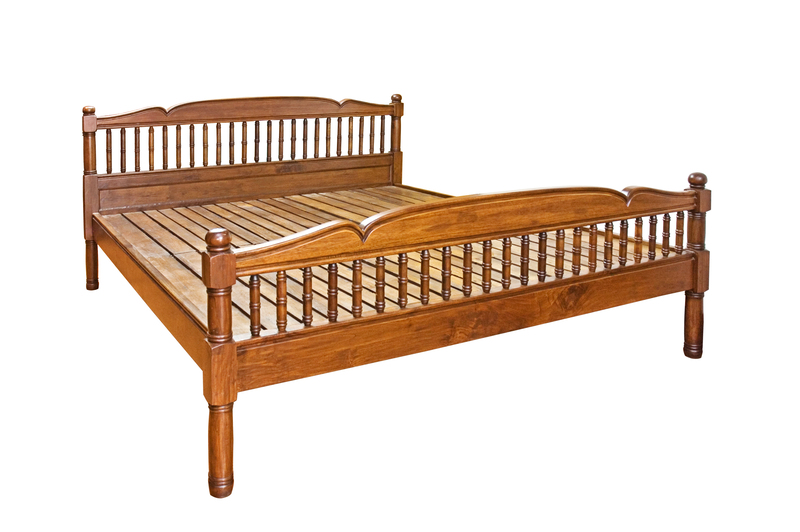
Many business waste jobs are really furniture and fixture removals rather than ordinary rubbish collections. Heavy desks, meeting tables, cabinets, counters and seating can take up valuable space and need careful movement through corridors, stairwells or shared entrances. Our service covers the practical side of removing these items from business premises in a way that is safe and orderly.
Where furniture is no longer required, it can often be separated from smaller mixed waste so that the clearance is more efficient. That matters in premises where access is tight or the items need to come from upper floors. We also remove broken or worn pieces that are no longer suitable for use, provided they can be handled as standard commercial waste. If your site includes fitted items or awkward bulky objects, the best quotation will reflect both the size and the handling involved.
Useful planning points usually include whether items are dismantled already, whether lift access is available and whether anything must be moved through customer-facing areas. That kind of information helps ensure the job is priced and arranged on realistic terms. If you need the space cleared for new equipment, redecoration or a change of use, a well-organised removal keeps the transition simpler.
How the collection process is usually organised

Commercial waste removal works best when the collection process is kept clear and practical. The first step is usually understanding what needs removing, where it is located and how it can be reached. That might mean a single storage room, several floors of office furniture or a wider mixture of refuse and reusable contents. Once the scope is clear, the job can be arranged to suit the premises and the type of waste involved.
If you are comparing options, it helps to think about access, quantity and timing rather than simply the total amount of material. For example, two jobs with the same volume can differ significantly if one involves easy ground-floor access and the other requires moving bulky items from an upper level. Good preparation does not need to be complicated; it only needs to be accurate enough to avoid surprises. A few photos, a basic item list and a note about parking or loading space can be enough for many enquiries.
Some businesses prefer to remove waste gradually, while others want a complete clear-out in a single visit. Both approaches can work, provided the job details are clear from the outset. The quotation process should reflect the labour, transport and handling required, along with any special considerations around access or item type. Request a quotation if you would like the work assessed on that basis.
Recycling, segregation and responsible disposal

Business waste often contains a mix of materials that should not all be treated the same way. Cardboard, metal, wood, plastics, office furniture and electrical items may need separating so that they can be handled appropriately. Our work can include sorting and loading waste with that in mind, so the clearance is not just quick but also more considered in terms of what leaves the site together and what should be directed elsewhere.
Where items are suitable for reuse or recycling, separating them from general waste can help reduce unnecessary disposal. That is especially relevant for offices and commercial units where regular refreshes produce a steady flow of packaging, redundant furniture and outdated contents. Responsible disposal is not only about taking things away; it is also about making sure the right material goes through the right route. A sensible quotation should therefore take account of the composition of the load, not only its size.
For businesses with a regular pattern of waste generation, it can be helpful to keep similar items grouped together before collection. That makes the work easier to plan and can reduce delays when the team arrives. When the waste stream is varied, a little pre-sorting can make the job more efficient without asking you to do unnecessary work. This is another reason a brief, accurate description is useful when seeking a quote.
About Chiswick
Chiswick is a district in west London, positioned in the London Borough of Hounslow and known for its mix of residential streets, riverside scenery and long-established high-road character. The area sits close to a broad bend in the River Thames, and its riverside frontage includes stretches of walking routes, moorings and open space that give the district a strong connection to the water. Historic development is visible in the variety of housing and street patterns, from older village-like cores to later terraces and larger twentieth-century developments. Chiswick House and Gardens is one of the best-known landmarks, with an important place in the history of British Palladian architecture and landscape design. The district also includes a number of churches, local shops and civic buildings that reflect different periods of growth. Chiswick High Road remains a major commercial artery, while areas such as Turnham Green and Grove Park contribute to the local identity through transport links, parks and distinctive built form. The combination of river, parkland, conservation areas and busy urban streets gives Chiswick a layered character rather than a single uniform centre. Cultural life is supported by independent businesses, local restaurants, community venues and regular events that draw on the area’s mix of neighbourhood activity and wider west London connections. Green spaces such as Duke’s Meadows and nearby open stretches along the river add to the sense of balance between movement, amenity and historic continuity that shapes the district’s everyday appearance.
Waste removal for moves, refurbishments and fit-outs
Commercial premises often generate waste during changes of use, upgrades or internal reconfiguration. A new layout may leave behind redundant fittings, old counters, display items or packaging from incoming equipment. Our business waste removal service is suited to those transitional jobs where items need to be cleared quickly enough to keep contractors and staff moving, but carefully enough to avoid disrupting the rest of the site.
In refurbishment work, the waste may include mixed materials rather than one consistent type. That can mean timber offcuts, broken furniture, old fixtures and general debris from a fit-out or redecoration project. Each of these may need different handling, so the more accurate the description, the easier it is to plan. A clear scope helps distinguish between standard commercial waste and items that need separate treatment because of their size, material or condition. You can ask for a quotation once the main categories are known.
For businesses operating across multiple rooms or floors, it can help to stage the removal so that the most obstructive items go first. That keeps corridors, work areas and loading points clearer while the rest of the clearance is completed. The objective is not just to empty a space but to do so in a way that supports the wider project plan.
Practical points that help with quotation and scheduling
Quotation requests are usually easier to handle when the waste is described in practical terms. A short note about the type of premises, the items to be removed and how much access is available can be enough to establish the likely scope. If the job includes stairs, narrow corridors, shared entrances or timed access restrictions, those should be mentioned as they can affect the amount of labour needed.
The same applies if the waste is awkward rather than simply bulky. Loose mixed materials, partially dismantled furniture and items with sharp edges can take more time to load safely. It is also sensible to say whether anything needs moving from multiple rooms or whether all the waste is already in one place. These details are more valuable than long descriptions and they make the quotation more grounded in the reality of the job. Accuracy matters more than length when you are asking for commercial waste removal pricing.
If you already know the main contents, a grouped list can make the process very quick to review. Otherwise, a few photographs and basic notes about access are often enough to begin. Request a quotation if you want the waste assessed against those practical details and matched to the right removal approach.
Working with mixed commercial waste streams
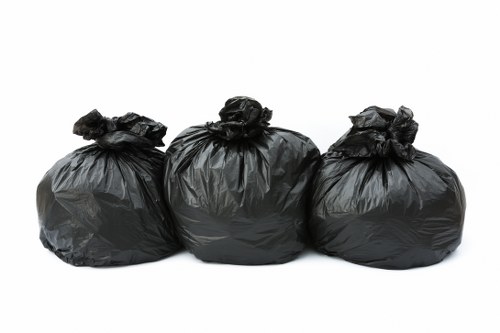
Some business clearances are made up of several waste streams in one place. That could mean office furniture alongside packaging, storage items, broken electricals and general rubbish, all needing removal from the same premises. Our service is suited to these mixed loads, with attention paid to what can be separated and what should be disposed of through the appropriate route. The aim is to keep the clearance sensible and manageable rather than treating every item as though it were identical.
Mixed waste can be more straightforward when it is grouped before collection, but it does not need to be perfectly sorted for the work to proceed. The key is to explain what is present and whether any items require special handling because of their construction or condition. For businesses that are emptying a room before handing back a lease or starting a refit, a practical mixed clearance is often the most efficient option. It can also be helpful where the waste has built up over time and now needs a single clean-up.
To get started, tell us what needs removing, where it is located and what access is available. If you have a simple list or a set of photos, that can make the quotation process easier, but it is not necessary to overcomplicate the request. A clear description is enough to begin. The final CTA is simple: request a quotation for business waste removal in Chiswick.