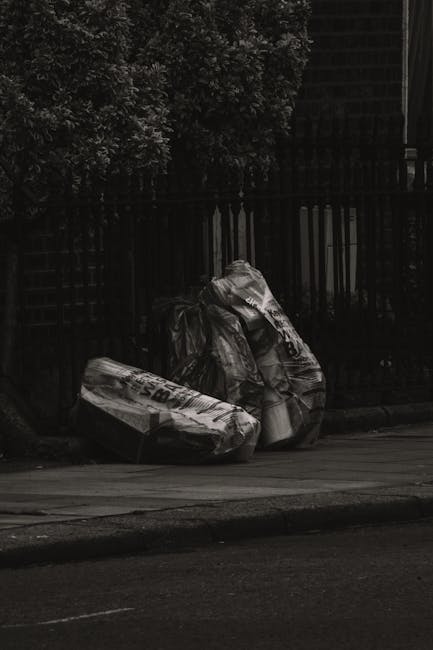
Chiswick High Road rubbish removal guide for shops and flats
If you run a shop on Chiswick High Road or live in a flat nearby, rubbish has a habit of building up at the worst possible moment. One late delivery, a busy weekend, a clear-out, a refurb, a broken appliance, and suddenly the bins are full, the back room is cramped, or the hallway is starting to look like a storage unit. This Chiswick High Road rubbish removal guide for shops and flats is here to make the whole thing simpler, safer, and a lot less stressful.
We will cover how rubbish removal actually works in mixed-use local settings, what to do before booking, what to avoid, and how to keep things tidy without causing headaches for neighbours, landlords, or customers. There is a difference between simply getting rid of waste and handling it properly. That difference matters.
Whether you need a one-off clearance after a delivery backlog or a recurring solution for commercial waste, the aim is the same: keep the premises workable, compliant, and presentable. And yes, it can be done without turning the day upside down.
Table of Contents
- Why Chiswick High Road rubbish removal guide for shops and flats Matters
- How Chiswick High Road rubbish removal guide for shops and flats Works
- Key Benefits and Practical Advantages
- Who This Is For and When It Makes Sense
- Step-by-Step Guidance
- Expert Tips for Better Results
- Common Mistakes to Avoid
- Tools, Resources and Recommendations
- Law, Compliance, Standards, or Best Practice
- Options, Methods, or Comparison Table
- Case Study or Real-World Example
- Practical Checklist
- Conclusion
- Frequently Asked Questions
Why Chiswick High Road rubbish removal guide for shops and flats Matters
Chiswick High Road is busy, and that is part of its appeal. Shops need a smart frontage, flats need safe access, and shared buildings need a bit of co-operation to stay livable. Waste that sits around too long does more than look untidy. It takes up space, attracts pests, creates trip hazards, and can make neighbours understandably grumpy. To be fair, nobody wants to step around a broken chair or a stack of cardboard at 8:30 on a wet morning.
For shops, rubbish removal is often about keeping the business running smoothly. Deliveries come in, packaging piles up, old stock needs to go, fittings get replaced, and the rear access area can become a bottleneck. For flats, the pressure is different. Hallways, stairwells, lifts, bin stores, and shared entrances are all vulnerable to clutter if bulky waste is left too long. A single mattress or sofa can become everybody's problem very quickly.
This matters even more in mixed residential and retail streets because one careless disposal decision can affect several people. The key is not just speed. It is timing, access, noise, lifting safety, and making sure the right waste goes to the right place.
Good rubbish removal also protects your reputation. A tidy shop looks organised. A well-managed flat clearance looks respectful. Small detail, big impression.
How Chiswick High Road rubbish removal guide for shops and flats Works
In practice, rubbish removal for shops and flats usually starts with a simple assessment. What is being removed? How much is there? Is it general waste, furniture, electrical items, mixed bulky waste, or something that needs special handling? The answers shape everything else.
For a shop, the waste might include cardboard, broken shelving, display units, old furniture, packaging, appliances, or stock that can no longer be sold. For a flat, it is often a mix of furniture, bags of household clutter, white goods, and the occasional "how did this end up here?" item hiding in a cupboard. We have all seen that one corner where things quietly multiply.
The removal team typically arrives, checks access, confirms what is going, and loads the waste efficiently. If the job is straightforward, it can be completed quite quickly. If access is tight, the waste is awkward, or items need separating, it naturally takes a bit longer. Shared stairwells, narrow entrances, and parking restrictions are often the real deciding factors, not the pile size itself.
For businesses, you may want to pair a one-off clearance with an ongoing solution such as business waste removal if rubbish is produced regularly. For resident-led clear-outs, related services like flat clearance or house clearance can be more suitable when the job is larger than a single bin collection but still needs a careful, room-by-room approach.
Some waste streams need separate treatment. That might include appliances, mattresses, or anything potentially hazardous. It is worth sorting those items before collection rather than leaving the removal crew to guess. Guessing is never the dream.
Key Benefits and Practical Advantages
The obvious benefit is that the mess disappears. But honestly, the practical gains are broader than that.
- Better use of space: Shops regain back-of-house room for stock and staff movement; flats regain safe passage in communal areas.
- Less disruption: Fast removal reduces the time waste sits around attracting attention or causing complaints.
- Cleaner presentation: A neat frontage or hallway sends the right message to customers, tenants, landlords, and visitors.
- Safer handling: Heavy or awkward items can be moved without people improvising with bad lifting technique and a bit of hope.
- More predictable planning: Once waste is assessed properly, booking becomes easier and fewer surprises pop up on the day.
- Better segregation: Recyclable and non-recyclable waste can be separated where appropriate, which supports more responsible disposal.
For many local properties, the real value is peace of mind. You know the waste will be handled, you know the route is clear, and you know you are not leaving a pile in the shared yard until "someone deals with it." That phrase causes more problems than people realise.
If disposal involves items like sofas, mattresses, fridges, or mixed bulky rubbish, it can help to look at specific services such as mattress and sofa disposal or fridge and appliance removal. Matching the waste to the right service avoids confusion and usually makes the whole process smoother.
Who This Is For and When It Makes Sense
This guide is useful for a fairly wide range of people, but a few situations come up again and again.
Shop owners and managers
If you run a retail unit, cafe, salon, clinic, takeaway, or small office above a shop, waste can accumulate fast. Packaging, broken fixtures, outdated stock, and occasional refurb debris all need moving out without disturbing customers. It makes sense when you have a stock reset, a fit-out, a closure, or just too much stuff in the storage area.
Flat owners, tenants, and landlords
For flats, the need usually appears during a move, end-of-tenancy clear-out, decluttering, probate, or after buying a property with a few too many leftovers. Shared buildings are a different animal. Space is tighter, neighbours are closer, and timing matters more.
Managing agents and landlords
When you oversee multiple units, you need clearance that is reliable and respectful. A messy communal area becomes a complaint very quickly. A managed clearance helps restore order without dragging the issue out for weeks.
Anyone dealing with bulky, awkward, or mixed waste
If it is too large for the bin store, too heavy to carry down stairs safely, or too mixed to sort easily, professional rubbish removal tends to be the sensible option. There is a limit to how far "I'll just get a friend to help" will take you. Usually not far enough.
For storage-heavy clearances, it can also be useful to look at office clearance, furniture clearance, or, if the clutter is mostly tucked away, loft clearance. The right approach depends on the layout and the type of waste, not just the address.
Step-by-Step Guidance
Here is the simplest way to approach rubbish removal without creating extra work for yourself.
- Identify what needs to go. Walk the space and separate general waste, bulky items, electricals, and anything sensitive or hazardous.
- Measure the access points. Check doors, stairwells, lifts, and parking space. A job can look small until you realise the sofa will not turn the corner.
- Sort what can be reused or recycled. Good items can sometimes be diverted, while broken or contaminated waste needs proper disposal.
- Take photos if the job is complex. This helps the provider understand volume, access issues, and item types before arrival.
- Confirm timing. For shops, choose a quieter slot if possible. For flats, avoid times that clash with peak building traffic.
- Prepare the space. Move smaller loose items out of the way and keep pathways open. It saves time and reduces risk.
- Check special items separately. Fridges, paint, cleaning chemicals, sharps, and similar items may need specific handling.
- Review the quote and scope. Make sure it is clear what is included, what is excluded, and whether access affects the price.
- Clear final obstacles on the day. Parked delivery cages, locked doors, and bins blocking access can stall the whole job.
- Keep the paperwork. For businesses especially, waste transfer records and service details are worth keeping on file.
A little planning goes a long way. One fifteen-minute prep session can save half an hour of awkward lifting and back-and-forth on the day. Simple, but true.
Expert Tips for Better Results
If you want the job to go smoothly, a few habits make a noticeable difference.
First, separate item types before the crew arrives. If everything is thrown into one corner, the team has to sort while they load. That slows things down and can increase handling risk. Even a rough split between cardboard, furniture, electricals, and mixed waste helps.
Second, think about neighbours and shared access. In flats, noise and corridor blockages are a genuine issue. If you can choose a quieter time, do it. Early morning can be fine for some buildings, but not all. You know your block better than anyone else.
Third, protect surfaces and entrance points. A bit of care with floors, walls, and door frames matters, especially in older buildings where scuffs show easily. It sounds minor until somebody notices a scrape on the communal paintwork.
Fourth, book the right kind of service. If your waste is mostly business-related, commercial waste support makes more sense than a general household clearance. For refurbishment debris, builders waste clearance may be the better fit. If the mix is mostly waste and a few bulky items, broader waste removal can be the practical route.
Fifth, ask about recycling and sorting. Not every item can be reused, of course, but responsible sorting should still happen where possible. If sustainability matters to your business or landlord, explore recycling and sustainability options early rather than leaving it until the end.
Expert summary: The smoothest rubbish removals are rarely the ones with the smallest pile. They are the ones where access, timing, item type, and disposal route have all been thought through before anybody starts lifting.
Common Mistakes to Avoid
Most clearance problems are not dramatic. They are just a handful of small mistakes that add up.
- Leaving everything until the last minute. This usually means rushed decisions, blocked access, and avoidable stress.
- Mixing risky items with normal waste. Some things need separate handling. Do not bury them in a general pile and hope for the best.
- Underestimating access issues. A job may be physically small but still difficult if there are stairs, no lift, or no nearby parking.
- Forgetting about shared spaces. In flats, communal hallways and bin stores should not become temporary dumps.
- Assuming all waste is the same. Furniture, appliances, confidential material, and hazardous waste often need different treatment.
- Not checking disposal expectations. If you need recycling, documentation, or a discreet collection, say so clearly at the start.
A quieter mistake is overlooking the reputation angle. If a shop has waste stacked by the entrance, people notice. If a landlord leaves items in a communal area for days, people definitely notice. Nobody wants to be "that building" on the street.
Tools, Resources and Recommendations
You do not need a lot of specialist gear to prepare for rubbish removal, but a few basic tools help.
- Strong bin bags and boxes: Useful for loose clutter, paper, and smaller light items.
- Marker pens and labels: Handy for separating keep, recycle, and remove piles.
- Tape measures: Especially useful if you are moving furniture through tight hallways or narrow doors.
- Gloves and closed shoes: Basic but important if you are sorting sharp or dusty waste.
- Phone photos: A quick set of images helps with quoting and planning.
- Building access notes: Keep codes, loading restrictions, and concierge instructions in one place.
If you are unsure about what a skip can or cannot take, a useful reference point is what can go in a skip. Even if you are not actually booking a skip, the category breakdown is a good mental checklist for sorting waste properly. For pricing clarity, it can also help to review pricing and quotes before you commit to a job.
For businesses handling sensitive paperwork, confidential shredding is worth separating from general waste. It is one of those things people forget until the bag is already in the corridor, which is not ideal. A bit of planning avoids that scramble.
Law, Compliance, Standards, or Best Practice
Rubbish removal in the UK is not only a practical issue; it is also a compliance issue. That does not mean every job is complicated, but it does mean you should be careful about who removes the waste, what happens to it, and whether the disposal route is appropriate.
For businesses, a clear waste trail is part of good housekeeping. You should know where the waste went, what type it was, and whether any special handling was required. Keeping records is sensible best practice. It helps if there is a query later, and it shows you took disposal seriously.
For flats and mixed-use properties, safety is just as important. Blocking fire routes, stacking items in common areas, or leaving sharp debris where residents pass through can create avoidable risk. Shared buildings tend to have their own rules too, especially around access times, lifts, and loading bays, so it is worth checking before the job begins.
If a waste item could be hazardous, stop and treat it differently. That includes unknown chemicals, damaged batteries, and some electrical items. Do not mix them into ordinary rubbish and assume it is fine. It may not be.
Responsible providers should also have clear policies around safety, insurance, complaints, payment, and ethical operations. If you are comparing providers, it can be useful to review pages like health and safety policy, insurance and safety, and payment and security before booking. Those pages are not just formalities. They tell you how seriously the company handles the work.
Best practice, in plain English, is simple: sort the waste, protect access, confirm the service type, and make sure removal is handled responsibly. That is the standard to aim for.
Options, Methods, or Comparison Table
There are a few common ways to deal with rubbish on or near Chiswick High Road, and each one suits a different situation. The best choice usually depends on volume, access, time pressure, and the type of waste involved.
| Method | Best for | Pros | Watch-outs |
|---|---|---|---|
| Man-and-van rubbish removal | Bulky mixed waste, quick clearances, tight access | Flexible, fast, suitable for flats and small shops | Needs good item descriptions; unsuitable for everything hazardous |
| Dedicated waste clearance service | Larger clear-outs, recurring business waste, heavier loads | More organised, better for planned jobs, can handle mixed loads | May need more advance notice for bigger removals |
| Skip-based solution | Projects with continuous waste over several days | Useful for ongoing work, handy during refurbishments | Space, permits, and loading access can become issues |
| Item-specific disposal | Appliances, mattresses, sofas, confidential material | More targeted handling, reduces sorting confusion | Not always suitable for mixed loads |
For a shop refurb, a clearance service is often the cleanest option because you can remove packaging, broken fixtures, and unwanted stock in one go. For a flat move-out, a focused flat clearance can be easier because the work is usually about getting bulky items out without making the building look chaotic. If there is DIY strip-out debris, builders waste clearance may be the practical route.
Case Study or Real-World Example
Here is a simple, realistic example. A small independent shop on Chiswick High Road closes for an overnight refit. The team has old shelving, cardboard from new fixtures, a broken counter, and a few appliances that no longer fit the new layout. At the same time, the upstairs flat has a hallway clutter problem because a move-out has left a sofa, bags, and some loose items by the landing.
If both jobs are left until "later", the building starts to feel cramped. Staff have to step around waste, residents get annoyed, and the shop opening the next morning looks far less polished than it should. Instead, the two parties coordinate the timing. The shop prepares a separate pile for packaging and fixtures. The flat sorts furniture and soft furnishings. Access is checked in advance, the lift is kept clear, and the team removes everything in a single scheduled visit.
The result is boring in the best way possible: no drama, no blocked corridor, no last-minute panic. The shop opens to a clean frontage. The flat hallway is usable again. Everyone breathes out. Sometimes that is the whole win right there.
For situations like this, a mixed service approach works well. A business might lean on business waste removal for recurring waste and combine it with a one-off clearance for bulky items. A landlord managing a tenancy change could use flat clearance to clear a unit quickly while protecting common areas. Same street, different needs, and that matters.
Practical Checklist
Use this quick checklist before any rubbish removal booking.
- Have I identified exactly what needs removing?
- Have I separated bulky items, regular waste, recyclables, and anything hazardous?
- Do I know whether the job is for a shop, flat, or mixed-use building?
- Have I checked access, parking, lifts, and stair routes?
- Have I warned neighbours, staff, or residents if the work could be disruptive?
- Have I taken photos for reference if the clearance is complex?
- Have I confirmed whether special items need separate handling?
- Do I know what is included in the quote and what is not?
- Have I made pathways clear and protected surfaces where needed?
- Have I kept a copy of any disposal or service paperwork for records?
A small amount of prep can shave off a surprising amount of time. And less time on site usually means a calmer day all round.
Get a free quote today and see how much you can save.
Conclusion
A good Chiswick High Road rubbish removal plan is not just about lifting waste into a truck. It is about keeping shops operational, flats safe, and shared spaces respectful. Once you understand the type of waste, the access points, and the timing, the whole thing becomes much easier to manage.
That is really the heart of it: sort early, book appropriately, and handle the job with a bit of care. Whether you are clearing a shop back room, an apartment hallway, or a mixed-use building that has simply had enough for one week, a practical approach saves time and reduces stress. Not glamorous, maybe, but very effective.
If you are ready to get the space back under control, take the next step with confidence. A tidy shop and a clear flat make life feel lighter, and that matters more than people think.
Frequently Asked Questions
What is the best rubbish removal option for shops on Chiswick High Road?
For most shops, the best option is a flexible clearance service that can handle mixed waste, bulky items, and packaging without disrupting trade. If waste is recurring, business waste removal is usually the better long-term fit.
How do rubbish removals work in flats with shared entrances?
The process usually starts with assessing access, then removing items carefully through communal areas while keeping passageways clear. Timing matters a lot in flats, especially if there is a lift, narrow stairs, or neighbours nearby.
Can furniture from a flat or shop be removed on the same visit as general waste?
Often yes, as long as the items are suitable for the same disposal route. Large furniture, soft furnishings, and mixed rubbish can frequently be collected together, but special items may need separate handling.
Do I need to separate recycling before booking rubbish removal?
It helps. Separating cardboard, metal, reusable items, and general waste makes the job faster and can support better recycling. You do not need to do everything perfectly, but a basic sort is useful.
What should I do with fridges, freezers, or other appliances?
Appliances should be handled separately from ordinary rubbish in most cases. Fridge and appliance removal is the safer and more practical route, especially if the item is heavy or contains components that need careful disposal.
Are there restrictions for hazardous waste?
Yes. Hazardous items such as certain chemicals, damaged batteries, and some contaminated materials should never be mixed into normal waste. If you are unsure, it is best to flag the item early and ask for guidance.
How far in advance should I book a clearance?
For simple jobs, not much notice may be needed. For bigger shop clearances, flat clear-outs, or jobs with difficult access, booking in advance is usually wiser so the service can be scheduled properly.
What affects the price of rubbish removal?
Price is usually influenced by volume, item type, access, labour time, and whether any special handling is needed. You can review pricing and quotes before booking to understand what may change the cost.
Is waste from a flat treated differently from shop waste?
Sometimes, yes. Flat waste often involves communal access, tenant changes, and bulky household items. Shop waste may involve packaging, stock, fittings, or recurring business waste. The route is different even when the pile looks similar.
Can I use a skip instead of a clearance service?
You can, but it depends on space, timing, and the type of waste. A skip can work well for ongoing work, while a clearance service is often better for tight access, mixed loads, and properties where a skip would be awkward.
How do I avoid complaints from neighbours or residents?
Choose a sensible time, keep shared areas clear, and avoid leaving waste in hallways or at entrances. A bit of communication goes a long way, especially in flats where everybody notices everything.
What if I have confidential paperwork to remove?
Do not place sensitive papers in general waste. Confidential shredding is the safer option, and it helps keep business records and personal information out of the wrong hands.
Where can I learn more about responsible waste handling?
Useful related information on the same site includes recycling and sustainability, health and safety policy, insurance and safety, and what can go in a skip. Those pages help you make better decisions before the rubbish leaves the building.